

Bad Marketing Is Everywhere (And It's Ruining Everything)
- Heidi Schwende

- Sep 10, 2025
- 4 min read
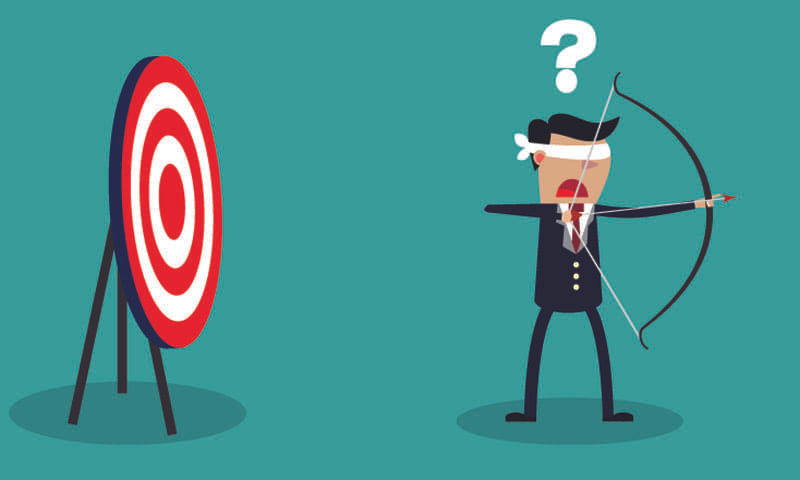
Bad Marketing is dying. And I'm here for it.
Not because I hate marketing—I've spent my career in it. But because what we call "marketing" today is mostly just expensive noise that makes everyone's life worse.
Your customers hate it. Your sales team ignores it. Your CEO questions it. Even you probably hate creating it.
So let's bury this thing already and build something that actually works.
The Great Marketing Scam
Here's the uncomfortable truth: most marketing exists to make marketers feel busy, not to help customers buy things.
We create campaigns that win awards but don't drive revenue. We obsess over brand awareness while deals rot in the pipeline. We measure clicks and impressions while our competitors eat our lunch.
And the whole time, we tell ourselves we're "building relationships" and "nurturing prospects."
Your Customers Are Solving Problems You Don't Even Know Exist
While you're crafting the perfect subject line for your nurture sequence, your ideal customer is three months deep into solving a problem you've never heard of.
They're not sitting around waiting for your white paper. They're not bookmarking your blog posts. They're not following your thought leadership when they're in crisis mode, searching for answers at 11 PM, trying framework after framework, failing forward one Google search at a time.
And where are you? Nowhere. Because you're too busy "marketing" to actually help.
The New Game: Become Indispensable Before They Know They Need You
Forget brand awareness. Forget all that vanity metric garbage.
There's only one metric that matters: How many people can't imagine solving their biggest problem without you?
Not your product. Not your company. YOU.
When someone hits a wall, do they think of you? When they're evaluating solutions, are you already in their head? When they're explaining the problem to their boss, are they using your words?
That's not marketing. That's inevitability.
The Unsexy Truth About What Actually Works
You know what creates inevitability? Showing up where the real work happens.
Not in your perfectly designed landing pages. Not in your automated email sequences. Not in your "educational" webinars that are really just product demos in disguise.
The magic happens in the usefulness of those things. Not because you can "scale" it. But because it's real.
Stop Creating Content, Start Creating Clarity
Everyone's creating content. Most of it is garbage that says nothing new, helps no one, and disappears into the void within 48 hours.
You know what people actually need? Clarity.
Not another "5 Steps to Better X" post. Not another "Ultimate Guide to Y." Not another "Why Z is Important for Your Business."
They need someone to look at their specific, messy, complicated situation and say: "Here's what's actually happening. Here's why it's broken. Here's the first thing to fix."
That's not scalable content. That's human insight. And it's the only thing that actually matters. So infuse that into everything you do.
The Pattern Nobody Talks About
Here's what I've noticed after years in this game: the companies that dominate their markets don't have the best marketing. They have the most useful marketing and people.
Their CEO answers questions on industry forums. Their engineers write detailed technical posts that competitors copy. Their customer success team shares frameworks that work whether you use their product or not.
They're not "doing marketing." They're just being indispensable. And indispensable doesn't need to be marketed it just needs to be shared.
The Real Competition
Your real competition isn't the company with the bigger marketing budget or the shinier website.
Your real competition is the Excel spreadsheet they're using instead of your software. The manual process they're sticking with instead of automating. The "good enough" solution they built in-house.
Your real competition is inaction. And inaction doesn't care about your positioning or your value proposition.
Inaction only cares about one thing: "Is this definitely worth the squeeze?"
How to Make Change Feel Inevitable (Not Painful)
Most marketing tries to create urgency: "Act now! Limited time! Don't miss out!"
That's amateur hour. Urgency fades. Fear wears off. FOMO gets old.
You know what doesn't fade? Understanding.
When someone truly understands a problem—not just the symptoms, but the root cause—they can't unsee what you do. When they understand the solution—not just what it does, but how it works—they can't imagine going back.
That's not urgency. That's inevitability.
And inevitability doesn't need a sales pitch.
The Only Marketing Playbook You'll Ever Need
Find where your people are actually struggling (not where you think they are)
Show up with real answers (not content marketing disguised as help)
Make the invisible visible (help them see what they can't see on their own)
Stay until the problem is solved (even if they don't buy from you)
Do it again tomorrow (consistency beats intensity every time)
That's it. Just humans helping humans figure things out.
The Coming Extinction
The companies still playing the old marketing game—the spray and pray, the interruption advertising, the "brand building" that builds nothing—they're about to go extinct.
Not because their marketing is bad. Because their marketing is irrelevant.
In a world where every answer is one search away and every expert is one DM away, being helpful isn't a marketing strategy.
It's the only strategy.
What Rises Above the Noise
Bad marketing is everywhere. But good marketing? That's rare.
What's replacing all the noise is something much more powerful: usefulness.
Not usefulness as a marketing tactic. Not usefulness to generate leads or drive conversions or hit KPIs.
Just usefulness. Period.
I'm not saying don't measure, what I'm saying is that in the end, people don't buy from companies they've heard of. They buy from companies that helped them when they needed it most.
And those companies don't need to just market themselves.
They need to keep helping.
The best marketing doesn't look like marketing. It looks like a friend who knows exactly what you're going through.


Comments